Can everyone wear contact lenses?
The large majority of people who wear glasses are suitable for standard soft contact lenses. However, not everyone gets this assessment. A proper contact lens fitting, not just a glasses prescription, is required. This involves checking the corneal curvature (keratometry), the tear film quality, and the eyelid anatomy. Some conditions make standard lens wear difficult, significant dry eye, very high astigmatism, or an irregular cornea, but even in these cases, specialty lens options often exist.
What happens at a contact lens fitting?
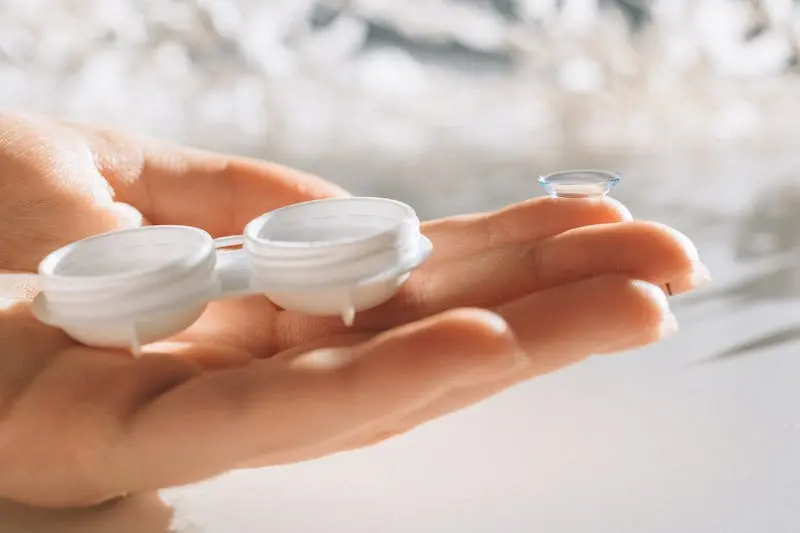
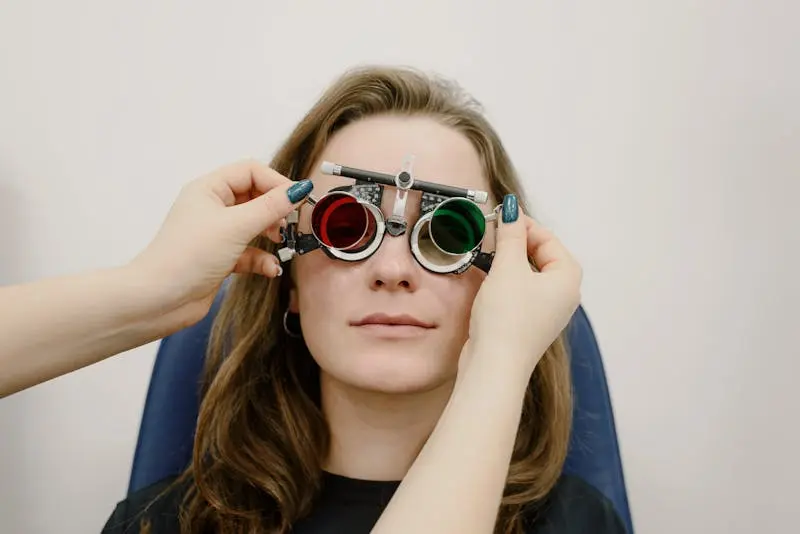
A contact lens fitting at Second Sight includes: a full refraction to confirm your current prescription; keratometry to measure the corneal curvature; a tear film assessment to check for dry eye; a trial lens fitting where you try on lenses and we confirm the fit with a slit lamp; and an insertion and removal lesson so you leave confident. We don't hand you a box of lenses and wish you luck, we make sure you can get them in and out reliably before you go.
Soft vs rigid lenses, which is right for beginners?
For most first-time wearers with standard prescriptions, daily disposable soft lenses are the easiest and safest starting point. They require no cleaning solution, no overnight case, and the risk profile of contamination is lower because each lens is used only once. Monthly and two-weekly soft lenses are more economical but require a strict cleaning and storage routine. Rigid gas-permeable lenses provide sharper vision in some prescriptions (particularly moderate to high astigmatism) but require a longer adaptation period.
The hygiene habits that matter most
The biggest risk with contact lenses is infection, specifically, a condition called microbial keratitis, which can cause permanent vision loss if not treated promptly. The good news is that it is almost entirely preventable with basic hygiene:
Always wash hands before handling lenses
Use soap and water, rinse well, and dry with a lint-free towel. This is the single most important step. Oil, dirt, and bacteria from your fingertips transfer directly to the lens and then to your eye.
Never sleep in lenses unless prescribed for overnight wear
Sleeping in standard soft lenses dramatically increases infection risk. The closed eyelid creates a warm, moist environment with reduced oxygen, ideal for bacterial growth.
Never wear lenses in water
Swimming pools, rivers, lakes, and even tap water harbour organisms, including Acanthamoeba, that can cause a devastating and difficult-to-treat corneal infection. Remove lenses before swimming and shower with eyes closed or with glasses on.
Warning signs to never ignore
Remove lenses immediately and seek professional advice if you notice any of the following: redness that doesn't resolve within 30 minutes of removing lenses; pain or a gritty sensation that persists; unusual light sensitivity; discharge; or a sudden change in vision. Contact lens-related infections can progress quickly, early treatment makes a significant difference to the outcome.
How long does it take to get used to contact lenses?
Most people adapt to soft lenses within a day or two. The lenses should not cause significant discomfort, a mild awareness for the first hour or two is normal; persistent discomfort is not. For rigid lenses, a structured adaptation programme over 2–3 weeks is needed. We guide you through this if rigid lenses are recommended for your prescription.
First-time contact lens fitting at Second Sight, Jaipur
We see a lot of first-time lens wearers and take the fitting and training seriously. You'll leave your appointment knowing how to insert, remove, and care for your lenses properly, not just with a box and a leaflet. We're also available for follow-up questions during the adaptation period.
Book a Free Eye Test →